 Ash McAllan shared 3 years ago
Little Mastodon tip if like me you find the content warning culture here overly annoying, you can just go into your settings and tell it to auto-show all posts and/or all sensitive posts. So you can effectively get rid of the content warnings for yourself but let everyone else still have them, which is cool.

Twitter: melts down cause the guy who runs it is an egotistical clown
Mastodon: 
Ash McAllan shared 3 years ago
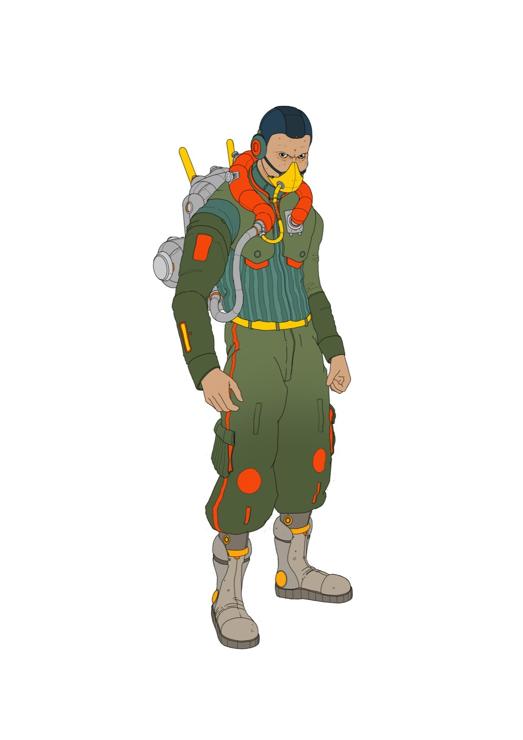
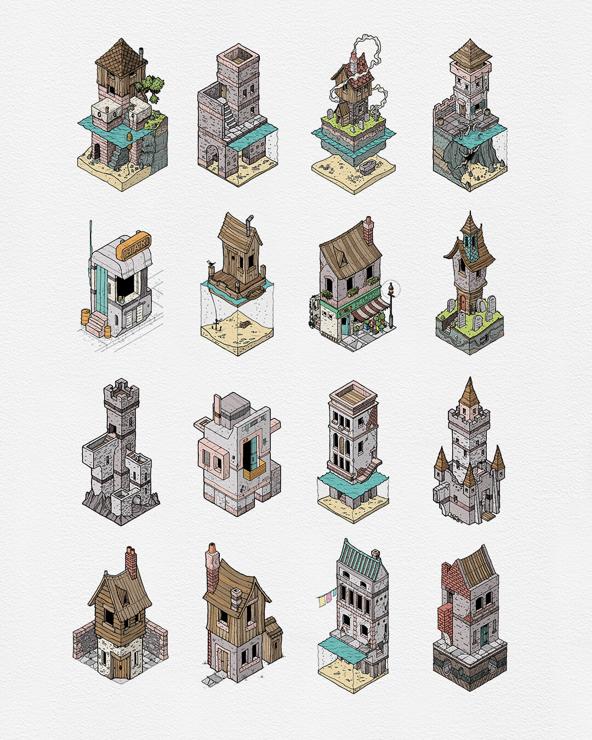
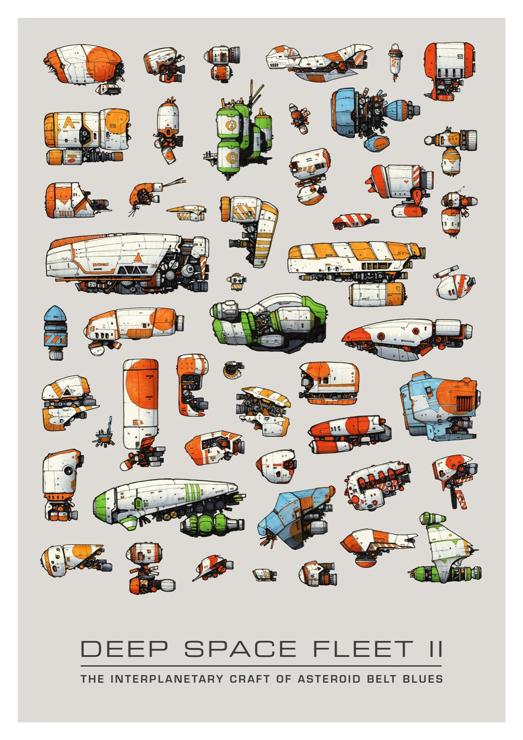
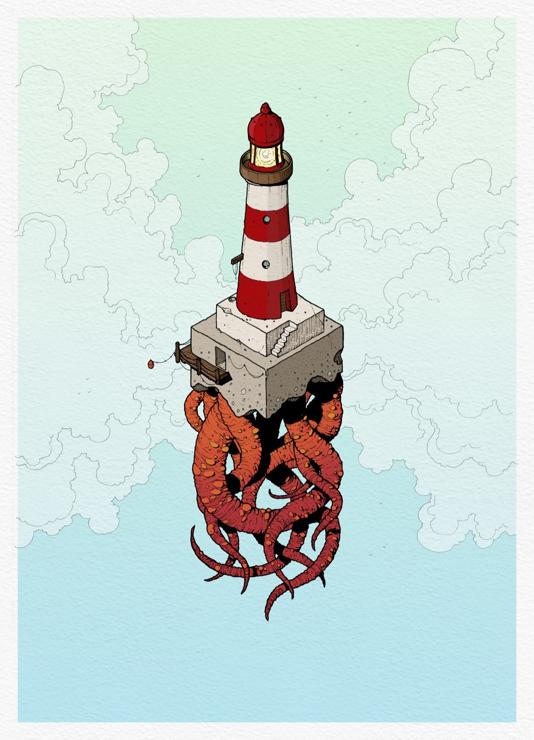
I'm Rob, an illustrator from the UK. I love to draw spaceships, robots, and imaginary places. I've worked on several books, including my own sci-fi project - Weird Field World. I'm available for private and commercial commissions.
You can find me here…

I hate when I find myself having to type "that that" ie "now that that is done". In spoken English it's fine because the vowel on the first one is actually ə, but that disappears in written text and the double up becomes incredibly awkward and ugly.
Ash McAllan shared 3 years ago
The Tom Holland Singin’ in the Rain Lip Sync in the timeline rule still applies, right?
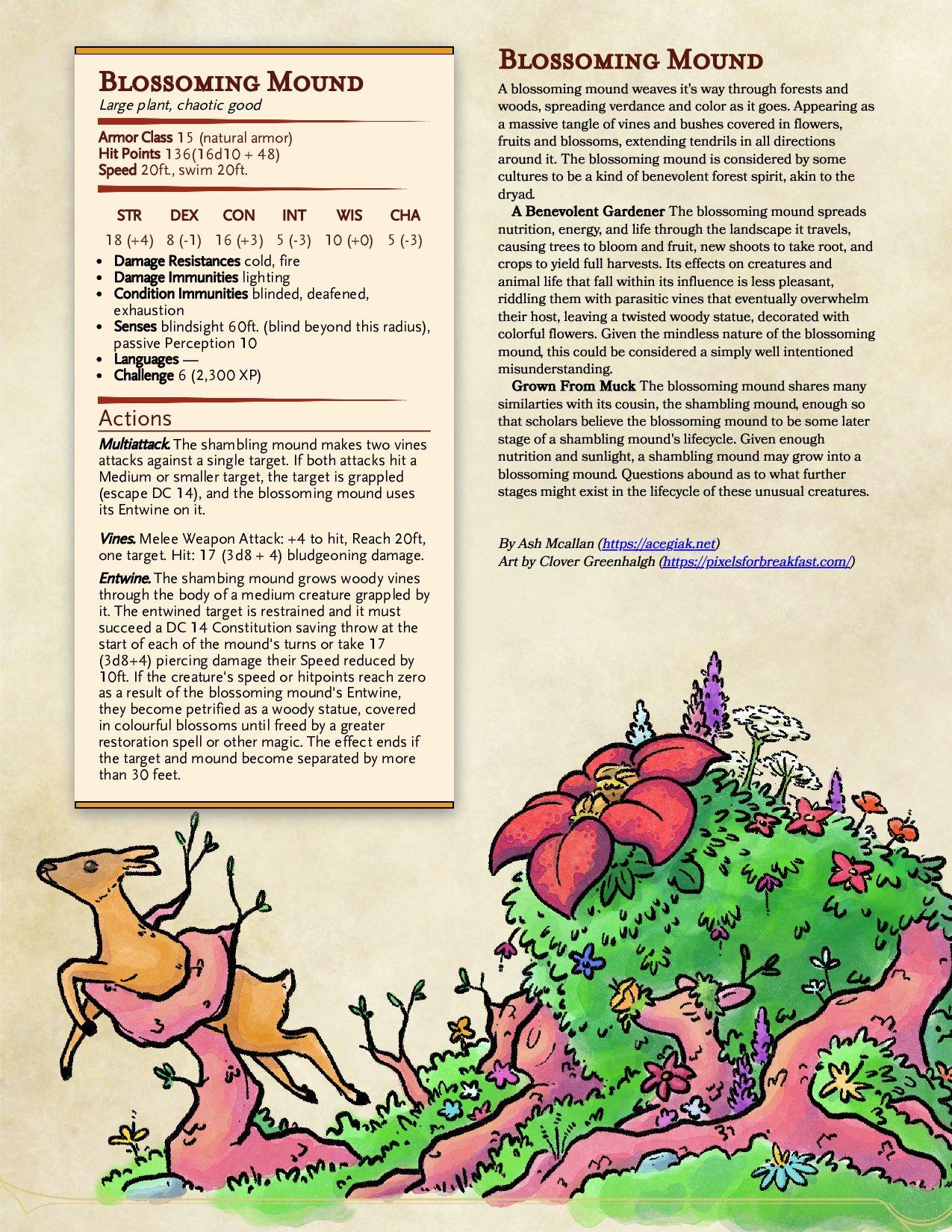
Ok #ttrpg and #dnd friends, I come bearing a monster.
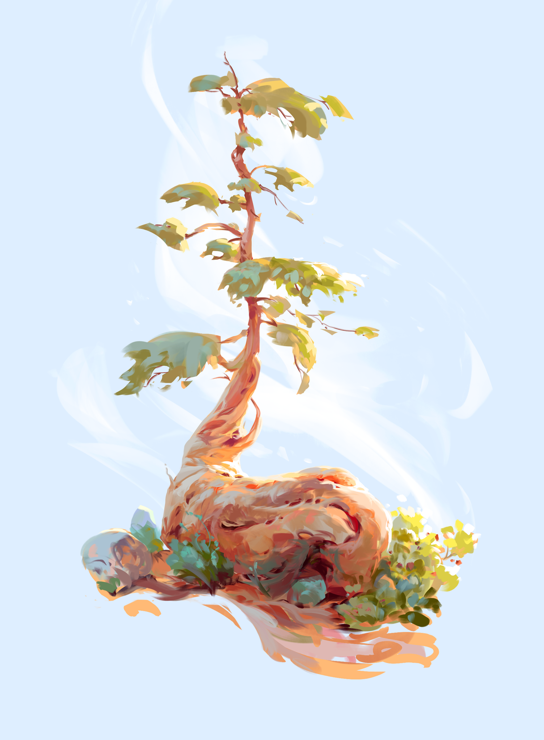
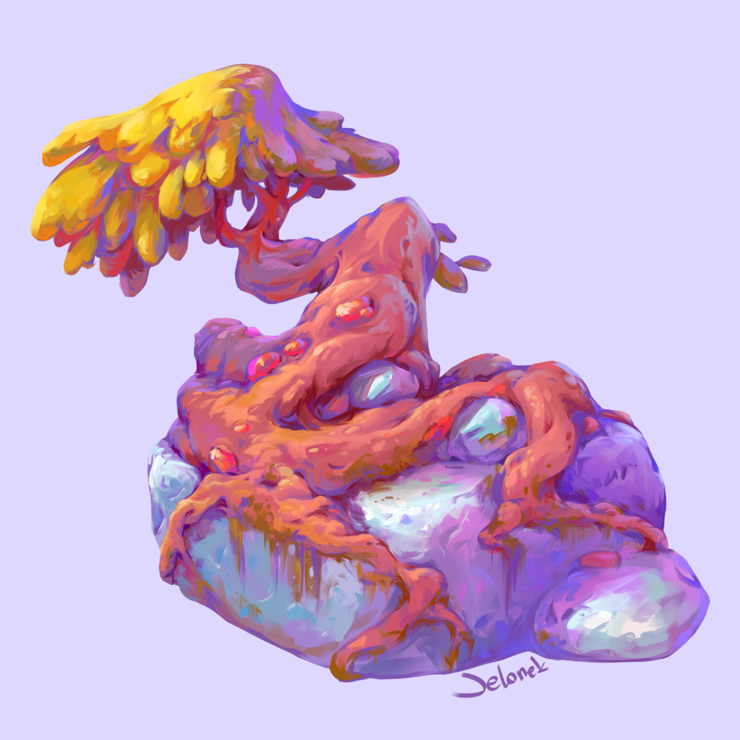
The Blossoming Mound is believed by some to be a later stage in the lifecycle of the shambling mound. Rarer and more mobile, blossoming mounds wander through the wilderness, sprouting flowers, blossoms, and fruit of every kind as they go. Although not actively aggressive, it will entangle and consume any creatures that get caught in its path, riddling them with woody tendrils and blooming colour.
Monster by me, art by clovergreenhalgh.com

 Ash McAllan shared 3 years ago
Every so often I look back at the blog post below, inspired by a @rdonoghue tweet about using one Background, shared among the characters, as a way to kick off a campaign quickly and just say,
"DAMN, that is neat."
https://githyankidiaspora.com/2021/05/10/bringing-it-all-together-quickly-with-backgrounds/
 Ash McAllan shared 3 years ago
❌ we should have daylight when we go to work in the morning
❌ we should have daylight when we come home from work at night
☑️ we shouldn’t have to work so many hours that we have to ration The Sun
Ash McAllan shared 3 years ago
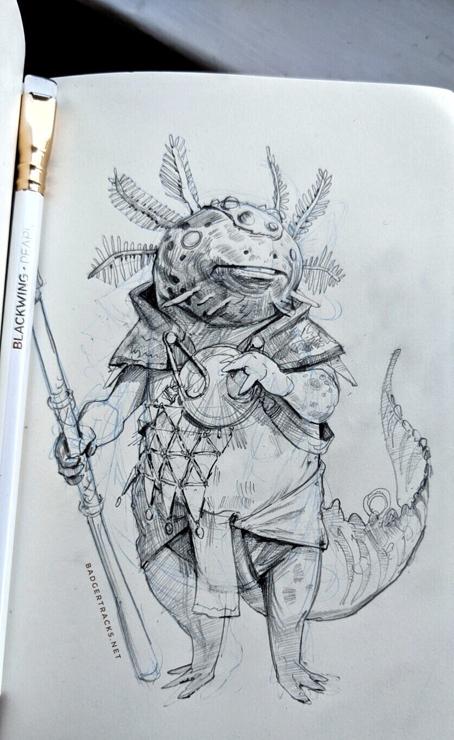
Axolotl friend, it's dangerous to go alone, take a fondy friend.
More sketchbook pages, this one all came together in one go.
 Ash McAllan shared 3 years ago
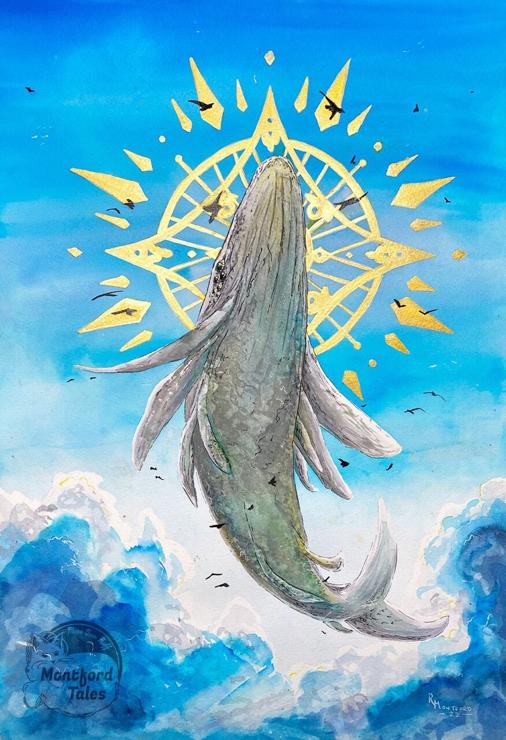
This is still my favourite thing I've painted this year. It was inspired by the Bolarius D&D setting, and I gifted the original painting to its author.
I'm certain it won't be the last #ttrpg to inspire me (game, or creator!).
 Ash McAllan shared 3 years ago
I'm glad to see so many new microblog.pub instances popping up! Shoutouts to the ones with theme overhauls, my personal favorites are @cocoa@thread.seam.rip, @andreas@social.avoel.de, @cwt@c3po.bashell.com, @blog@blog.nikisoft.one, and especially @ash@acegiak.net . Incredible work @dev@microblog.pub!
(If you can read this line, I've successfully implemented ActivityPub updates!)
Ash McAllan shared 3 years ago
This is running on Cloud Run!
Playing around with the styling and presentation of my masto/fedi compatible #microblogpub homesite, and I've stumbled on an interesting question: Do the pictures/attachments for a post go before or after the text content?
Ash McAllan shared 3 years ago
 Ash McAllan shared 3 years ago


@TheRaDR@mstdn.social Welcome to Mastodon!
Everyone's making their explanations of mastodon too complicated. It's Twitter but run by communists and you have to ask your mate who is already on it where to sign up.
Made a lot of progress updating Ruins to #Godot4 yesterday which is great except for the fact that it's absolutely procrastination to avoid doing the rewrite of the history system I've been needing to do for ages.
twitter.com/Ze_Burnay/status/1585657191243157504Almost at 20k followers
— Zé Burnay ✹ (@Ze_Burnay) October 27, 2022
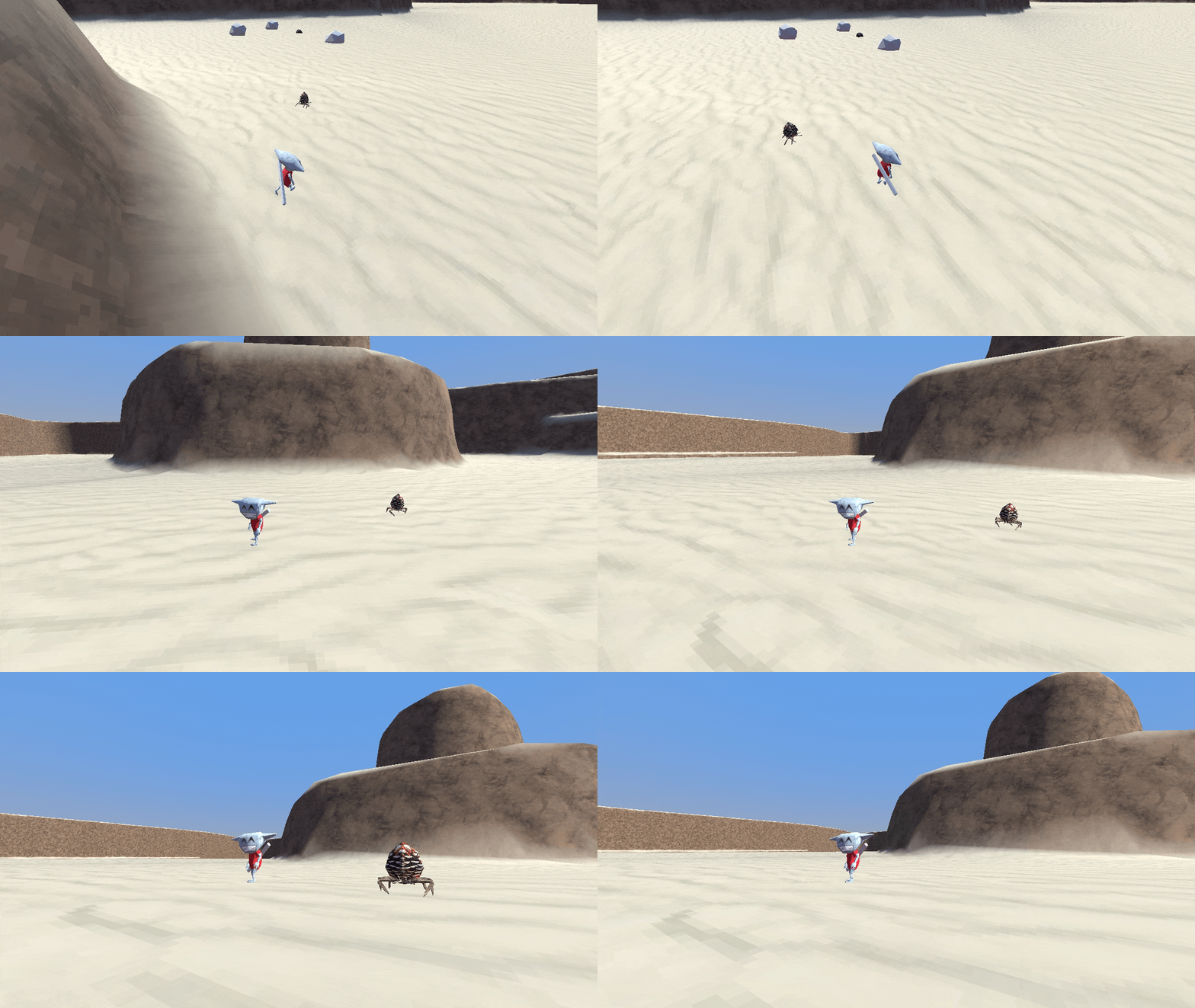
Here's a pinecrab

#ScreenshotSaturday for #ProjectWeirdLittleGuy this week features this little fella by Zé Burnay that I absolutely fell in love with on Twitter and wanted to try recreating in 3d. Here's Pinecrab modeled in #Blender and procedurally animated in #GodotEngine with #Godot4's new skeleton modification stack. #gamedev